.jpg?w=360&h=360)
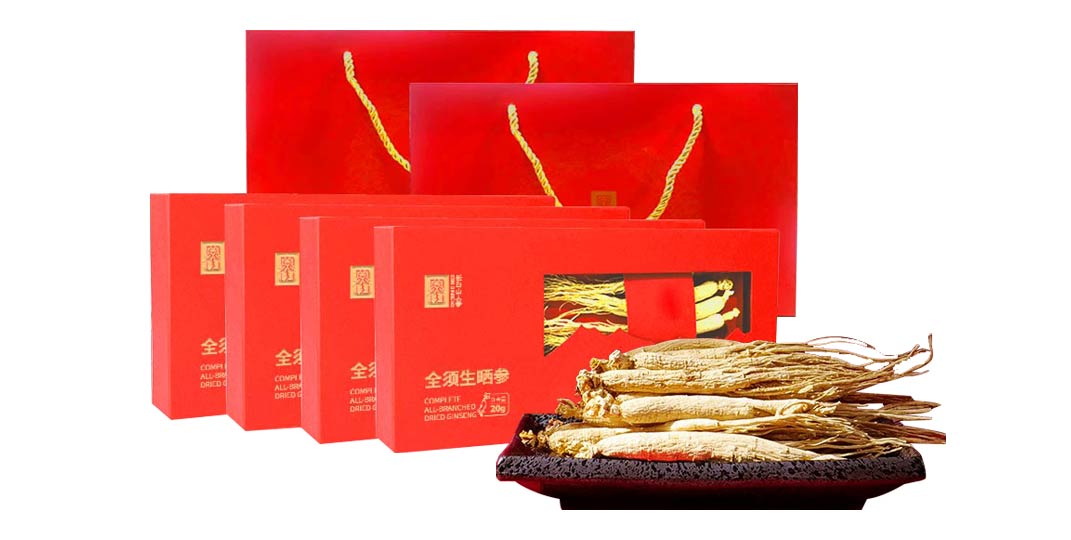
Ginseng is known as the "King of Herbs", which is closely related to its harsh requirements for the growth environment. Conditions such as soil, climate, light, and altitude all profoundly affect its quality.
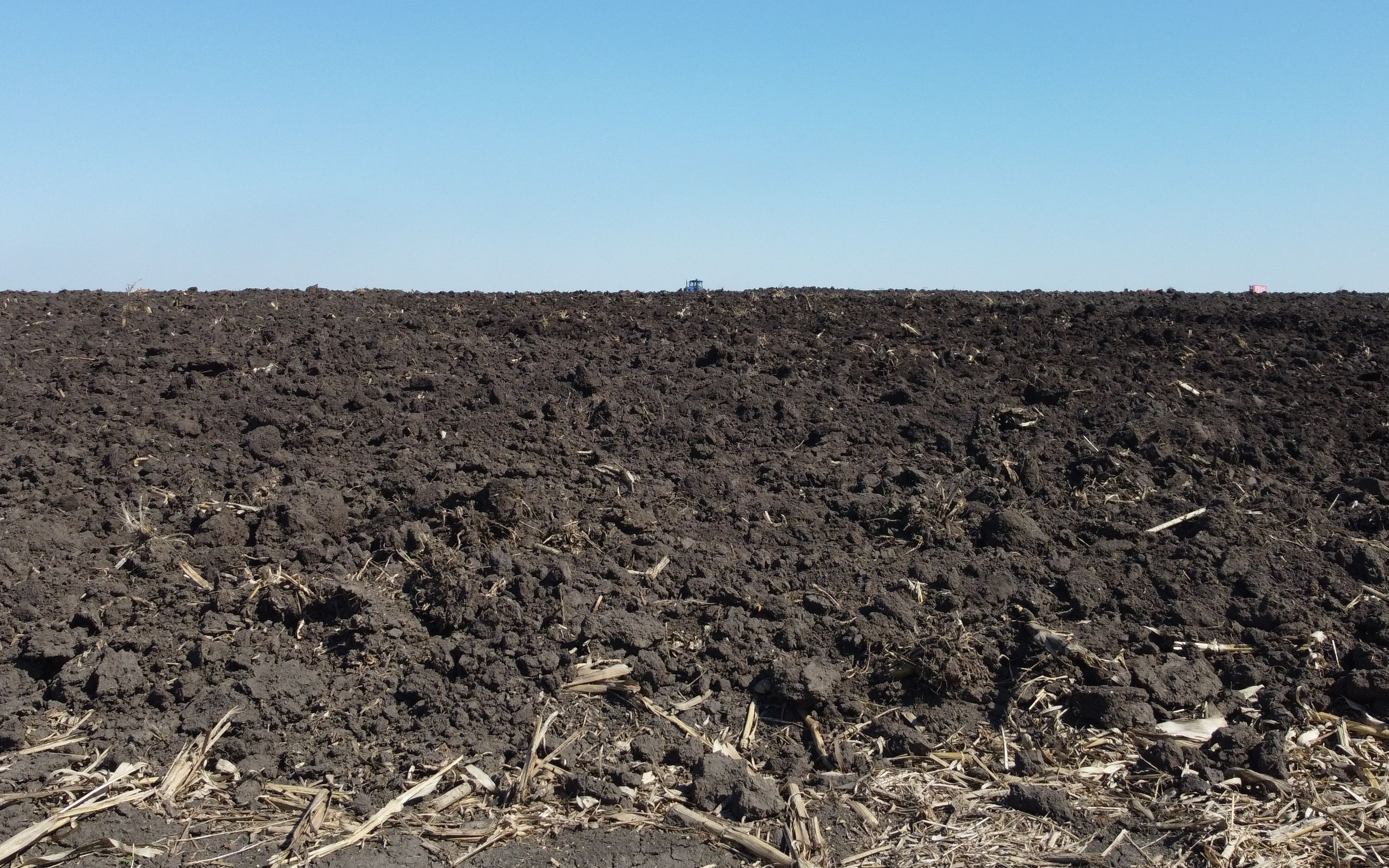
Soil: The "Nutrient Hotbed" of Humus
Ginseng is fond of fertilizer and prefers loose, fertile, humus-rich slightly acidic soil (pH 5.5-6.5). Such soil mostly comes from the decomposition of dead branches and fallen leaves in primeval forests. It is afraid of waterlogging, so slopes with a gradient of 5°-25° are most suitable. They can not only drain water but also allow humus to slowly nourish the roots.
Climate: The "Temperature Code" of Temperate Monsoons
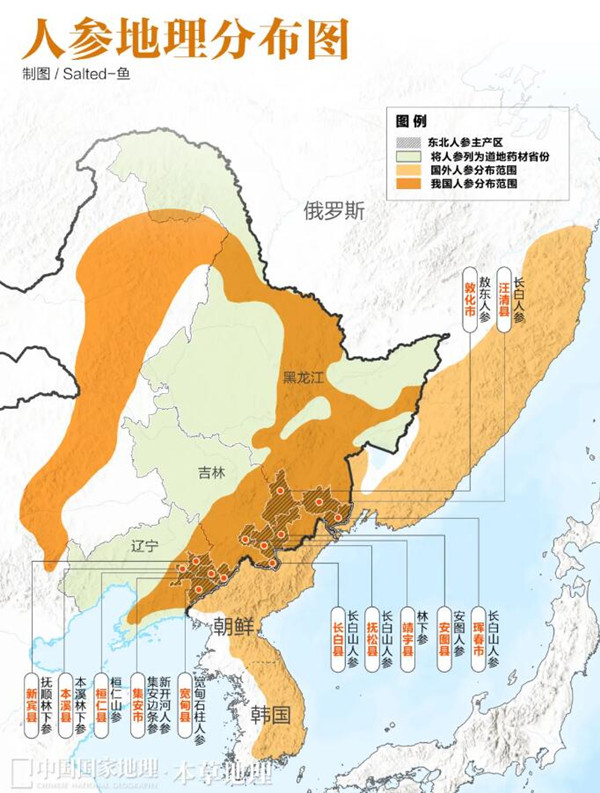
Ginseng is suitable for growing in temperate regions with an annual average temperature of 2-8℃. In summer, the temperature should not exceed 30℃, otherwise, it will stop growing. In winter, a low temperature of around -20℃ is beneficial for dormancy, but excessive cold without snow cover can damage the root system. The annual precipitation needs to be 600-1200 mm, evenly distributed, to meet the water needs of different growth stages. The "humid summer and cold winter" climate in Changbai Mountain and Xiaoxing'anling in northeast China is just right.

Light: The "Scattered Sunlight" Among Branches and Leaves
Ginseng loves shade and is afraid of strong light, requiring 50%-70% shading. In the natural environment, the "double-layer shading network" formed by tall arbors and low shrubs provides soft scattered light. Artificial cultivation requires building sunshade sheds; otherwise, it will lead to poor growth of ginseng seedlings.
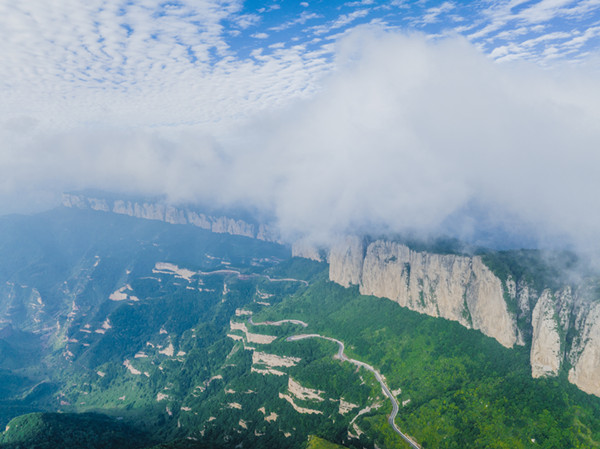
Terrain and Altitude: The "Microenvironment Choice" in Deep Mountains
Wild ginseng mostly grows in mountains at an altitude of 300-1000 meters. Too high altitude leads to slow growth, while too low altitude is prone to human interference and relatively hot summers. East slopes, north slopes, or northeast slopes are more favored, with short light hours and high humidity. Valleys near streams or gentle slopes with stable air currents have a milder microclimate.
Ecological Symbiosis: The "Tacit Cooperation" with Nature
Ginseng relies on a complete ecosystem. Moss maintains soil moisture, mycorrhizal fungi help it absorb minerals, deciduous trees provide humus, insects and microorganisms participate in nutrient cycling, and it has also become an "indicator species" of ecological diversity.
It is these harsh conditions that make ginseng so precious. Primeval forest areas such as Changbai Mountain and Xiaoxing'anling hold the growth agreement between ginseng and nature.