.jpg?w=360&h=360)
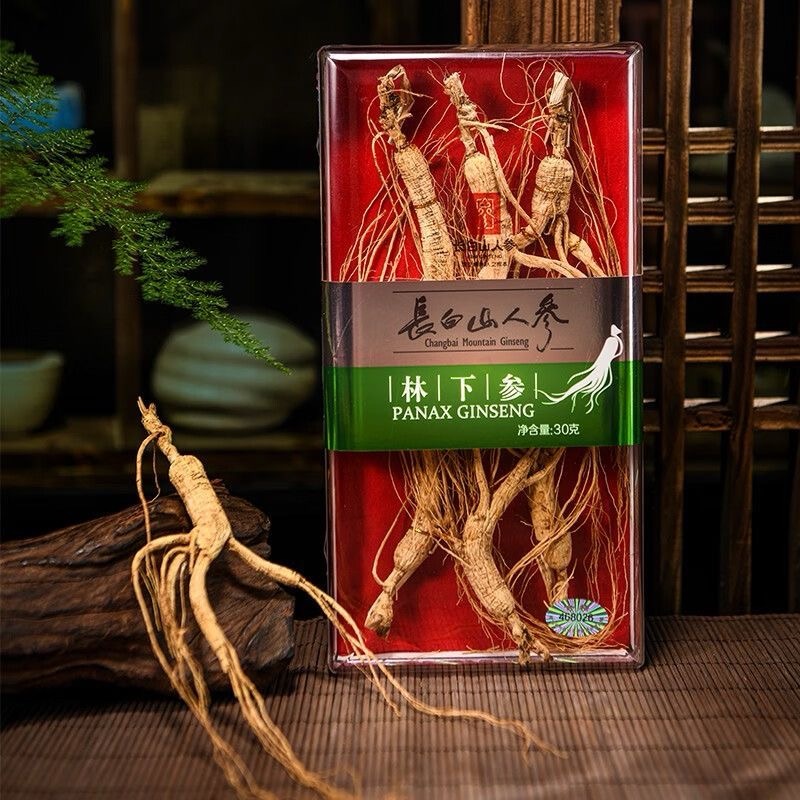
The Benefits of Ginseng
Ginseng has a sweet and slightly bitter taste, with a mildly warm nature. It enters the spleen, lung, heart, and kidney meridians, with a strong energy and moist texture, tending more toward ascension than descent. It has the benefits of tonifying qi and preventing collapse, strengthening the spleen and benefiting the lungs, calming the mind and enhancing intelligence, and nourishing blood and generating body fluids.
Ginseng is primarily used to treat conditions such as severe illness, chronic illness, blood loss, and fluid depletion leading to depletion of vital energy, fatigue, and weak pulse; spleen qi deficiency causing poor appetite, fatigue, vomiting, and diarrhea; lung qi deficiency causing shortness of breath, wheezing, and weak coughing; heart qi deficiency causing insomnia, frequent dreaming, palpitations, forgetfulness, and excessive sweating due to qi deficiency; fluid deficiency causing thirst and diabetes; blood deficiency causing pallor and dizziness; kidney deficiency causing impotence, frequent urination, and qi deficiency with external pathogens.
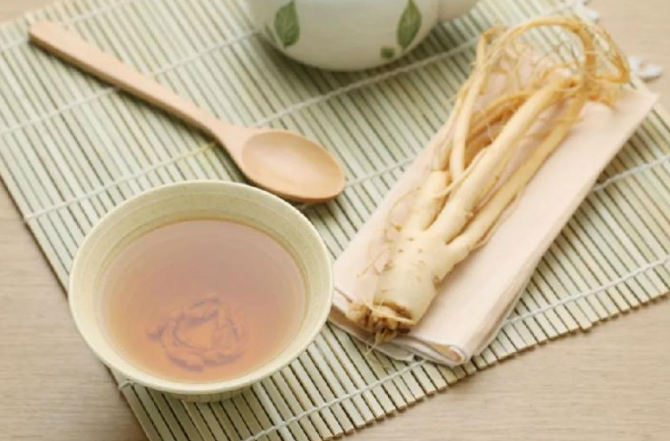
Four ways to consume ginseng
- Chew and dissolve: Take 1-2 slices of ginseng each time, place them in your mouth, and slowly chew until they dissolve.
- Boil and drink: Cut the ginseng into slices, wash them, and place them in a sandpot. Add water (enough to cover the ginseng slices by 2 cm) and soak for 0.5-1 hours. Cover and simmer over low heat for 1-1.5 hours, then strain and drink the liquid.
- Steaming: Place 5-8 slices of ginseng in a small bowl, add an appropriate amount of water, and steam in a pot with cold water for 0.5-1 hours. You may add an appropriate amount of honey and consume both the liquid and residue.
- Brew as tea: Place 5–8 slices of ginseng in a cup, pour boiling water over them, cover, and steep for 5–10 minutes. Drink as tea. Can be steeped multiple times; when the flavor becomes weak, consume both the liquid and residue together.
However, while ginseng is beneficial, there are certain groups of people who should avoid consuming it.

Who should avoid consuming ginseng?
- Those with atherosclerosis: Many medications have remarkable effects, and it is not a matter of good or bad, but rather whether they are suitable or not. The protein factors in ginseng can inhibit fat breakdown and exacerbate lipid deposition on blood vessel walls. Therefore, those with coronary heart disease, hypertension, cerebral vascular sclerosis, diabetes, or vasculitis should exercise caution when consuming ginseng.
- Those with thick blood: Blood is the medium that transports nutrients and waste throughout the body. When blood viscosity increases and blood flow becomes impaired, traditional Chinese medicine refers to this as “blood stasis,” which is a manifestation of impaired qi and blood circulation. Ginseng promotes red blood cell production, and an increase in red blood cells can further elevate blood viscosity.
- Those with insomnia: Insomnia has many causes, and one of the most difficult types to treat is that influenced by the central nervous system. Ginseng has a stimulating effect on the central nervous system. In insomniacs, the balance between excitation and inhibition in the cerebral cortex is disrupted, and taking ginseng can exacerbate insomnia.
- Gastric disorders: In traditional Chinese medicine, the spleen and stomach are considered the foundation of postnatal health, and Western medicine also places great emphasis on the role of the digestive organs. It has been established that Helicobacter pylori is the primary cause of many gastric disorders, and ginseng has a protective effect against this bacterium, which is detrimental to the efficacy of medications targeting it.
- Gallbladder inflammation and gallstone patients: Substances secreted by the liver are stored in the gallbladder and released into the stomach via the common bile duct during digestion. Ginseng has estrogen-like effects, inhibiting bile secretion and thickening bile. Studies have shown that long-term ginseng use significantly increases the incidence of gallstone disease.
Therefore, it is essential to determine whether one is suitable for ginseng consumption before taking it.