.jpg?w=360&h=360)
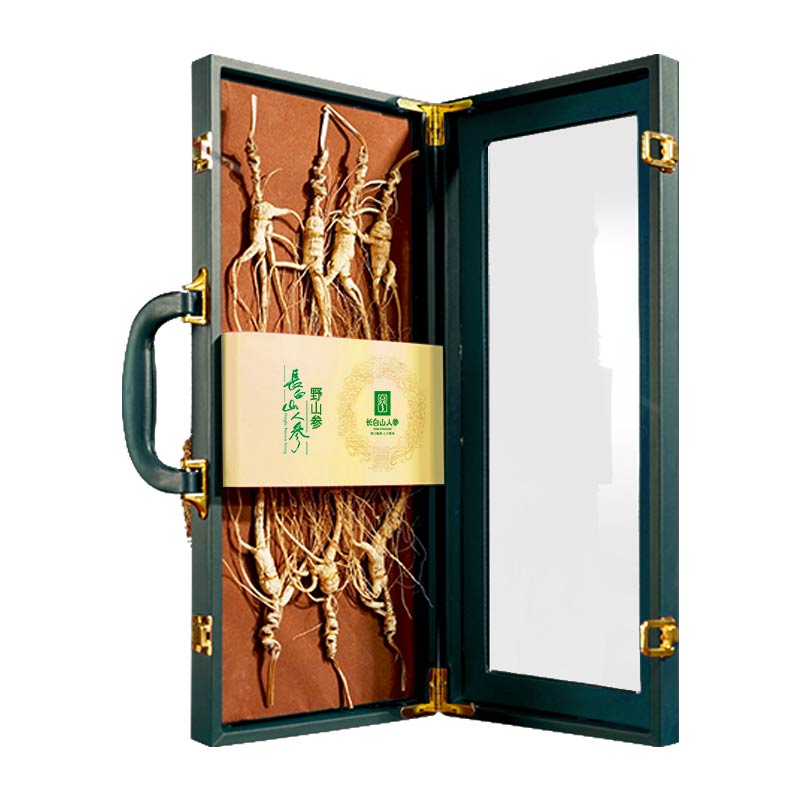
Traditional Chinese medicine holds that ginseng possesses numerous health benefits, including replenishing vital energy, regulating the pulse, strengthening the spleen and lungs, promoting saliva production to quench thirst, and calming the mind to enhance intelligence. It is often referred to as the “king of tonics.” In critical situations where shock occurs due to a drop in blood pressure caused by infection, blood loss, or myocardial infarction, ingesting 3–10 grams of ginseng powder or drinking it as a decoction can often have a life-saving effect. Patients with chronic illnesses or those with weak constitutions can also benefit from taking ginseng during the autumn and winter seasons to nourish and strengthen the body. Therefore, some people believe that ginseng is a tonic that is always beneficial to health and enjoy adding it to soups or medicinal wines. However, while ginseng is nourishing, its use also has contraindications, and certain individuals should avoid taking it. Some people who are not deficient may overuse ginseng for tonification, and due to excessive “tonification,” they may experience symptoms such as mouth ulcers, nosebleeds, chest tightness, loss of appetite, and constipation.
.jpeg?w=800&h=800)
(1) Individuals with allergic constitutions should avoid ginseng. If a rash develops after taking ginseng, it should not be consumed. It is especially contraindicated during suppurative inflammation.
(2) Hypertensive patients should use ginseng with caution. Hypertensive patients with liver yang hyperactivity may experience cerebrovascular accidents after taking ginseng. However, hypertensive patients with deficiency-cold constitution may use ginseng, though in smaller doses; When systolic blood pressure exceeds 180 mmHg, ginseng should not be taken by patients of any type.
(3) Ginseng is generally not recommended during colds or fever. During fever, palpitations are severe, and taking ginseng may increase blood circulation, exacerbating palpitations and worsening the condition.
(4) Ginseng should be avoided by those with the following symptoms: asthma caused by sudden qi stagnation, dry throat caused by dry heat, and sudden bleeding from the mouth or nose.
(5) Edema caused by damp-heat stagnation may worsen after taking ginseng, as ginseng has an anti-diuretic effect. Additionally, those with impaired kidney function and oliguria should use ginseng with caution.
(6) Those with insomnia or irritability due to excess conditions should not take ginseng, as it may worsen sleep quality.
(7) The following groups should avoid ginseng: those with excessive qi, fever, a slippery and forceful pulse, and constipation or difficulty urinating due to excess heat.
(8) Cooking utensils matter: whether boiling or stewing, avoid using metal utensils.
(9) Avoid drinking tea or eating radishes while taking ginseng, as these foods have qi-moving properties, while ginseng is a powerful tonic for the original qi. Taking them together negates the effects of ginseng, rendering it ineffective.
(10) Avoid consuming ginseng with grapes, as grapes contain tannic acid, which easily binds with proteins in ginseng to form precipitates, impairing absorption and reducing efficacy.