.jpg?w=360&h=360)
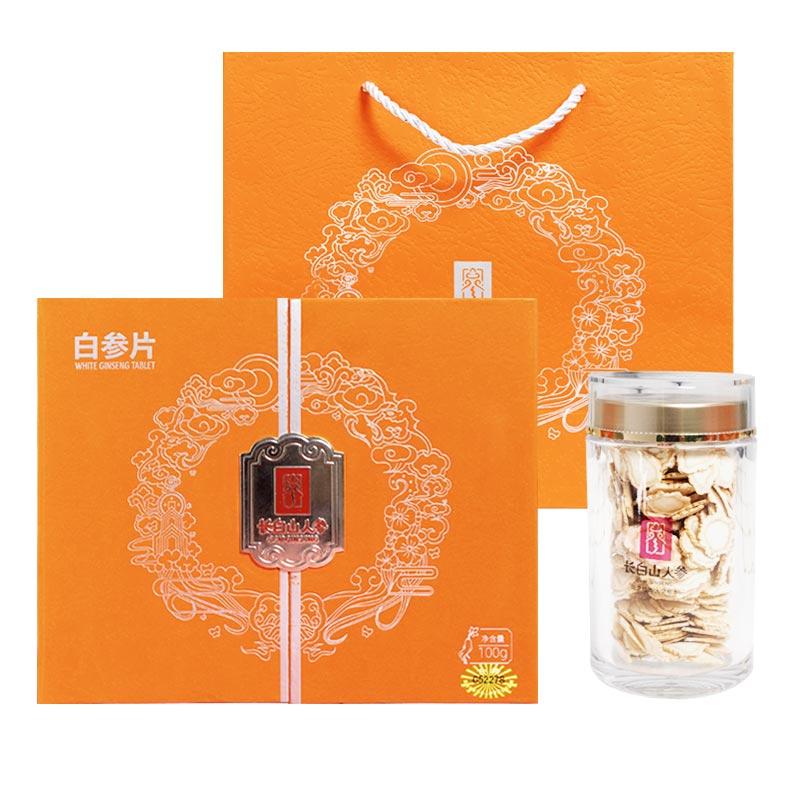
1. It is both medicine and a token of affection in life.
Chinese people consume ginseng not only for medicinal purposes. In the belief that ‘medicine can be eaten as food, and food can be eaten as medicine,’ it has long ceased to be merely a medicinal herb and has become an integral part of life.
During festivals, younger generations give ginseng to their elders as a sign of filial piety; after giving birth, families will stew chicken soup with red ginseng to help the mother recover; and before exams, some families will brew ginseng tea to help students stay alert. Ginseng has thus become an integral part of important moments in life, symbolising ‘health and blessings.’
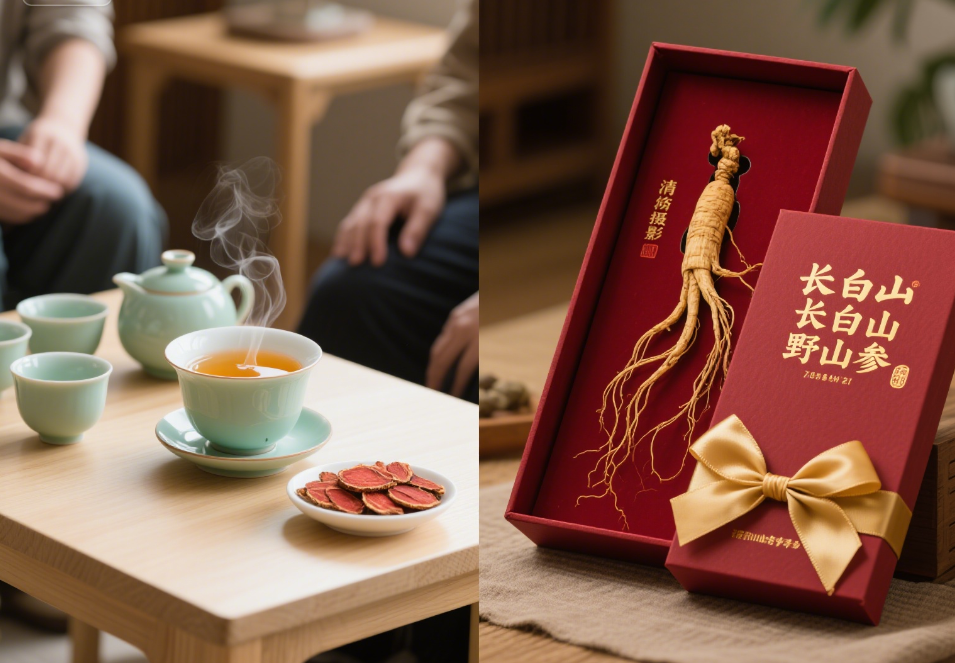
2. The effects are real, and both ancient books and science recognise them.
Chinese people love ginseng because it is truly effective and pleasant to use.
The ancient medical text Compendium of Materia Medica states that ginseng can ‘nourish the body and calm the mind,’ and it is indeed helpful for fatigue and weakness caused by insufficient qi and blood. Older generations say that ‘eating ginseng is like recharging your batteries,’ which is actually due to the saponins in ginseng regulating the body.
Modern research also confirms that moderate consumption of ginseng can boost immunity and alleviate fatigue. Office workers who stay up late can steep some ginseng slices, while those engaged in physical labour can simmer ginseng soup in winter. These are practical tips distilled from Chinese people's daily experiences.
The effects of ginseng have been proven through thousands of years of practice. It can relieve daily fatigue and help regulate the body. Its ‘mild yet effective’ characteristics are very much in line with the Chinese idea of ‘slowly regulating’ one's health.
3. The ‘sacred herb’ complex in culture, from legend to reality
Ancient people believed that ginseng, which resembles a human figure, was a ‘divine herb.’ Folk legends claimed it could ‘communicate with spirits,’ so when digging it up, one had to tie a red string around it to prevent it from ‘escaping.’ In TV dramas, ‘thousand-year-old ginseng’ is often portrayed as a ‘life-saving’ miracle drug.
While these claims may be somewhat exaggerated, they have made ginseng a symbol of ‘vitality.’ Even today, many people still believe that consuming ginseng ‘boosts energy,’ and this belief, combined with its actual effects, has kept it popular over the years.
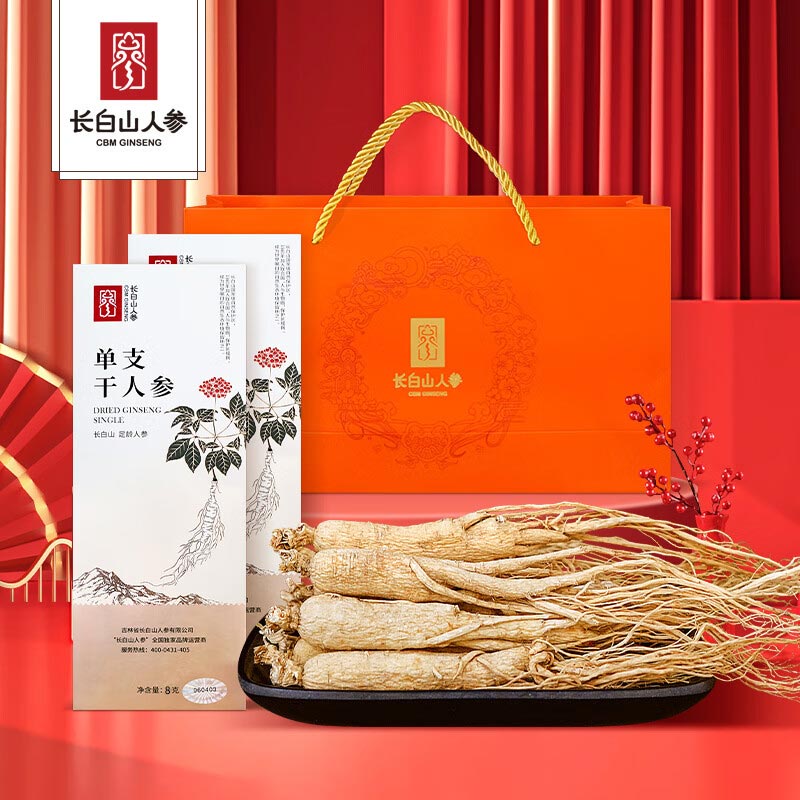
4. The choice of region and history, gifts from nature, and the wisdom of life
The Changbai Mountains in Northeast China are rich in ginseng, and this ‘local treasure’ naturally became the top choice for ancient people. Compared to other tonics, ginseng is easier to obtain and more versatile — it can be sliced and steeped in water, used in cooking and soups, or made into lozenges to carry with you.
Chinese people value thriftiness, and ginseng's ‘multi-purpose’ nature aligns well with their lifestyle philosophy: buying a single root of ginseng can be used for both tea and soup, making it far more cost-effective than other tonics.
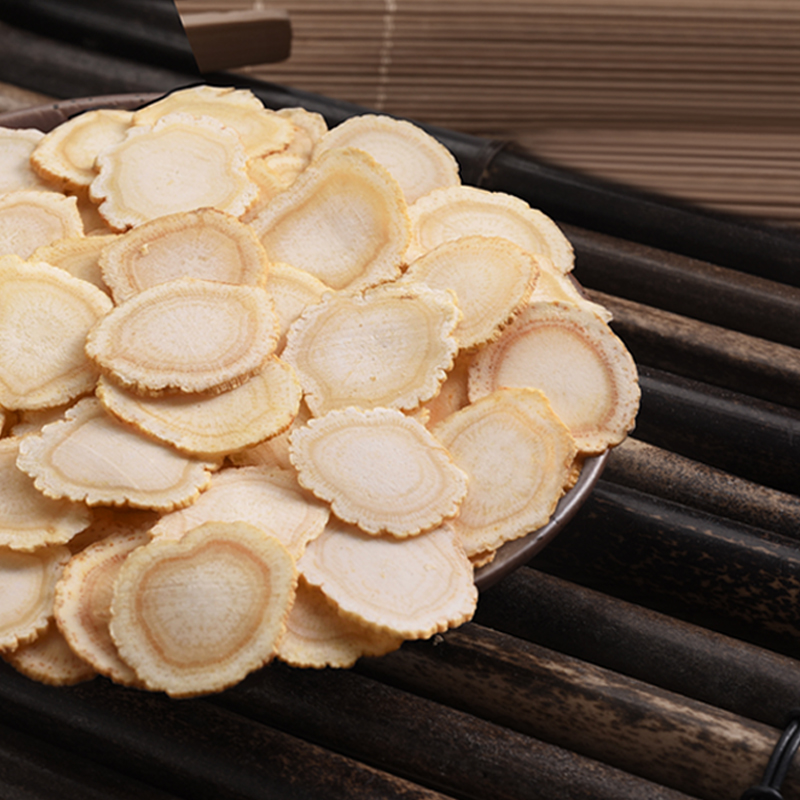
Summary: The Chinese love ginseng because it combines cultural tradition, practical benefits, and practical wisdom. It is not just an ingredient, but a deep-rooted belief in health — the belief that slow and steady care can keep the body in balance. This love for ginseng reflects the Chinese people's most sincere hopes for life.