.jpg?w=360&h=360)
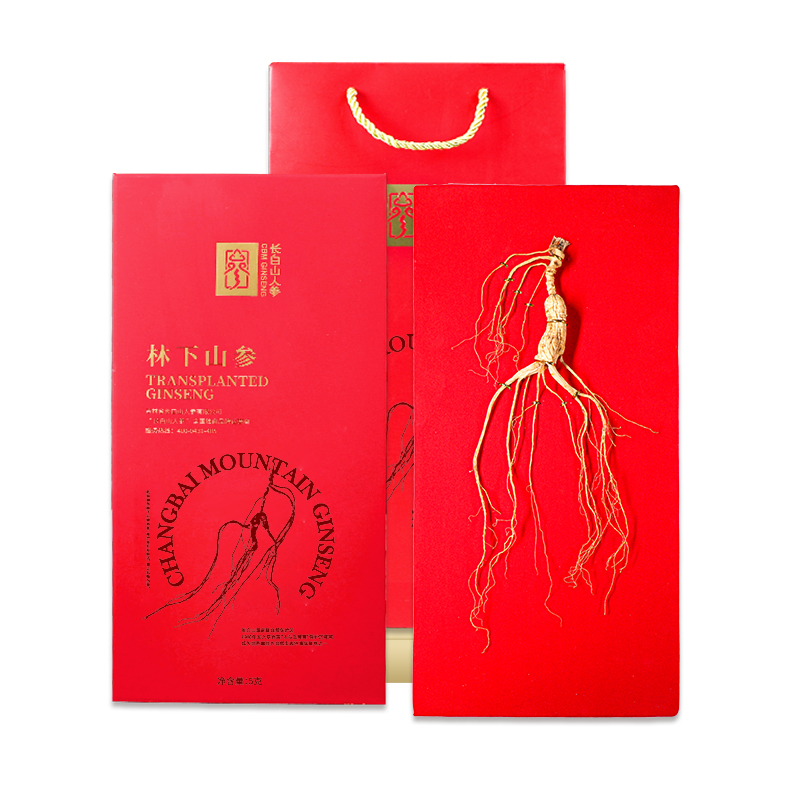
1. Ginseng in botany: the ‘human-shaped spirit’ that grows in the soil
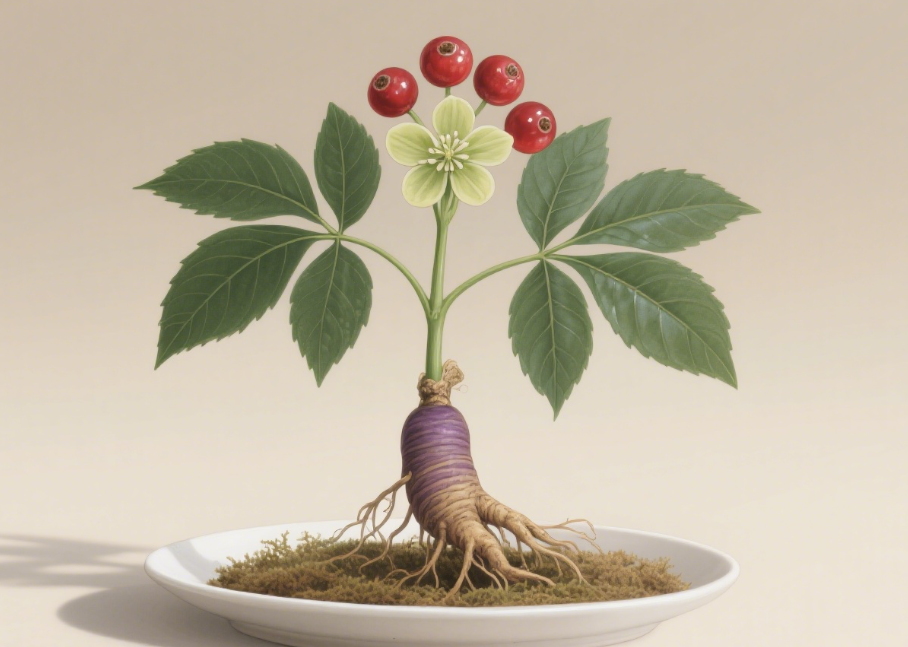
From a botanical perspective, ginseng is a perennial herbaceous plant belonging to the Panax genus of the Araliaceae family. It has distinctive characteristics:
- Root: This is the most valuable part of ginseng. The main root is thick and robust, typically cylindrical or spindle-shaped. What makes it unique is the combination of its fibrous roots and root stem, which, when viewed from a distance, resemble a small human figure—hence the name ‘ginseng.’
- Leaves: Typically, there are 3–6 compound leaves with fine serrations along the edges, appearing lush and vibrant green.
- Flowers and fruits: In summer, it produces small white flowers, and the mature fruits are bright red, resembling strings of small agates hanging from the branches.
Ginseng prefers cool, moist climates and is primarily found in temperate forests between 33° and 48° north latitude, such as the Changbai Mountains in China, the Korean Peninsula, the Russian Far East, and certain regions of North America.
2. Wide variety: Different types of ginseng have their own ‘personalities’
The ginseng family is quite large, and can be divided into many types based on growing environment, processing methods, and place of origin. Common types include:
By growing environment:
- Wild mountain ginseng: Grows naturally in the wild without human intervention, has a long growth cycle, is scarce, and is expensive, making it a rare treasure among ginseng varieties.
- Garden ginseng: Cultivated ginseng grown under artificial conditions, with a relatively shorter growth cycle and more affordable prices, making it the most commonly encountered type.
By processing method:
- Sun-dried ginseng (white ginseng): Fresh ginseng is washed and then dried in the sun or by artificial means. It has a mild nature and provides a steady tonifying effect.
- Red Ginseng: Fresh ginseng is steamed and then processed and dried, turning it reddish-brown in colour. It has a slightly warm nature and stronger qi-tonifying effects.
- Sugar Ginseng (a type of white ginseng): Processed with sugar, it has a sweeter taste and a milder nature, making it suitable for first-time ginseng users.
- Changbai Mountain Ginseng: Produced in the Changbai Mountains of Northeast China, it is of excellent quality and a nationally recognised geographical indication product.
- Korean Ginseng: Mainly produced in the Korean Peninsula, it has a unique processing technique, a warm nature, and a strong qi-replenishing effect.
- American Ginseng (Panax quinquefolius): Native to North America, it has a cool nature and can replenish qi while clearing heat.
Different types of ginseng vary in their efficacy and suitability for different people due to differences in their growing environment and processing methods. When choosing ginseng, it is important to consider your own physical constitution.
3. Numerous benefits: recognised from traditional to modern times
Ginseng is often referred to as the ‘king of herbs’ primarily because its efficacy has been widely recognised:
- According to traditional Chinese medicine:
Ginseng has a sweet and slightly bitter taste, with a mildly warm nature. It is believed to greatly replenish vital energy, tonify the spleen and lungs, generate body fluids to quench thirst, and calm the mind and enhance intelligence. It is particularly effective in regulating conditions such as deficiency of qi and blood, fatigue and weakness, and spleen and stomach deficiency. - Modern research has found:
Ginseng contains various active components, such as ginsenosides and ginseng polysaccharides, which can enhance immunity, alleviate fatigue, regulate cardiovascular function, and offer numerous health benefits to the human body.
4. Cultural symbols: the humanistic spirit of ginseng
In Chinese culture, ginseng is not just a plant or medicinal herb, but also carries a lot of emotion and meaning:
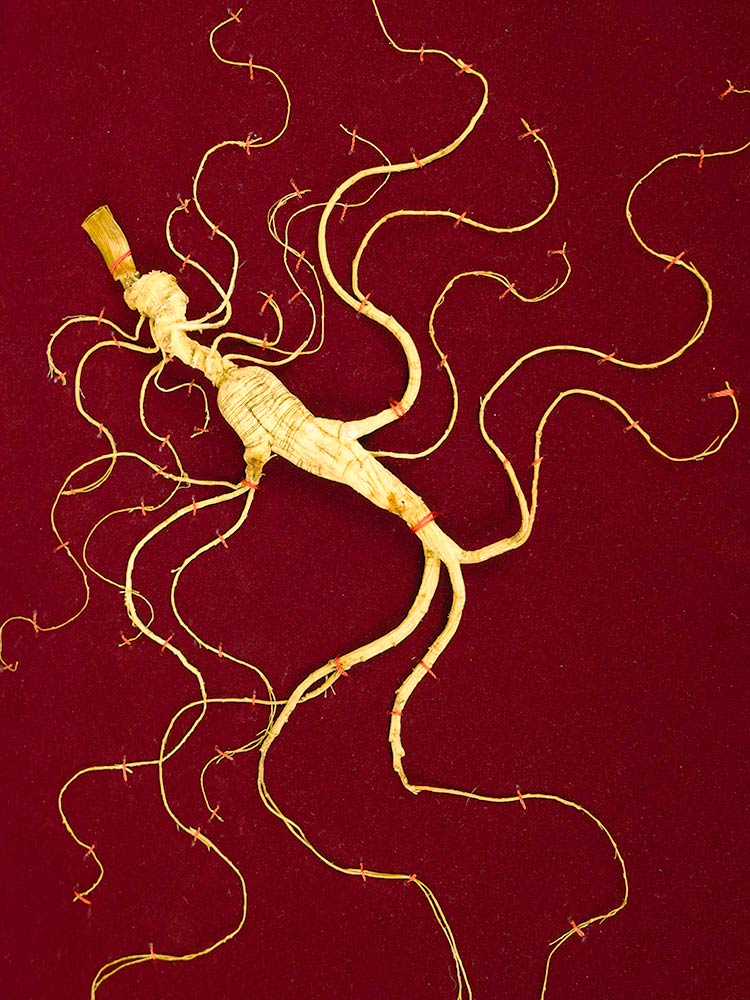
- Ancient people believed that ginseng, with its ‘human-like shape,’ possessed ‘spiritual qualities,’ leading to numerous legends and stories about it, such as the belief that when harvesting ginseng, one must tie a red string to prevent it from ‘escaping.’
- In daily life, ginseng is often given as a precious gift to express blessings and care, especially during festivals or important occasions, where presenting a ginseng gift box is quite common.
- Ginseng also frequently appears in literary and cinematic works, symbolising ‘health,’ ‘preciousness,’ and ‘mystery.’
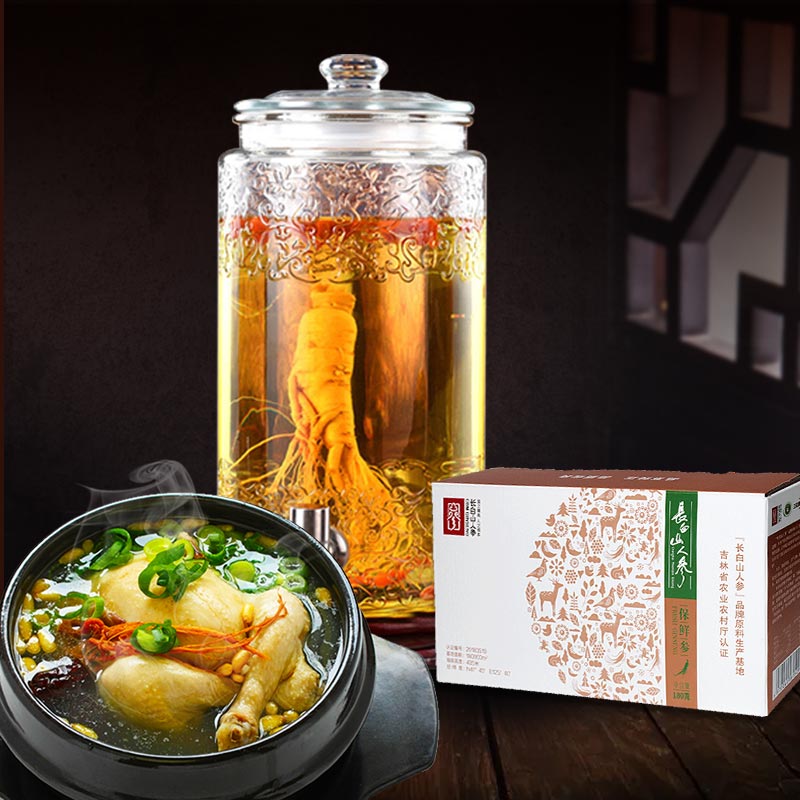
In general, ginseng is a herbaceous plant that grows in specific environments. Through various processing methods, it has evolved into multiple varieties, each with rich medicinal properties. Additionally, it carries profound cultural significance. From a wild herb growing in remote mountains, it has become a cherished tonic and eventually a cultural symbol, reflecting the interaction between humans and nature while embodying people's pursuit of health and a better life.