.jpg?w=360&h=360)
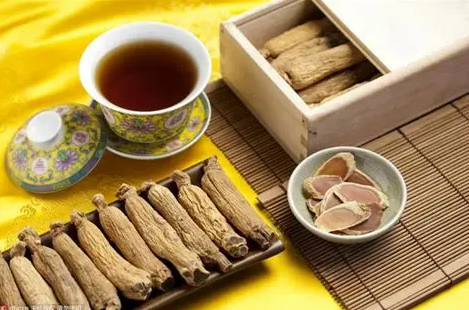
1. Identify foods that should not be taken together
- Radish (and radish seeds)
The core efficacy of ginseng is to “tonify qi,” while radish (especially radish seeds, i.e., Raphanus sativus seeds) has the effect of “dispersing qi and eliminating stagnation.” When taken together, their effects cancel each other out, reducing the tonifying effect of ginseng. Therefore, during ginseng supplementation, one should avoid consuming white radish, green radish, and other types of radish.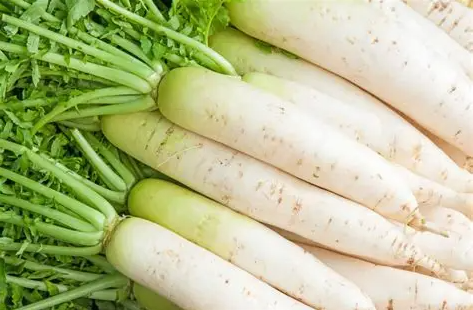
- Strong tea and coffee
Strong tea and coffee contain large amounts of tannic acid, which can bind with ginsenosides and other active components in ginseng, forming precipitates that are difficult for the body to absorb, thereby impairing the efficacy of ginseng. It is recommended to avoid drinking strong tea or coffee for 1–2 hours after taking ginseng.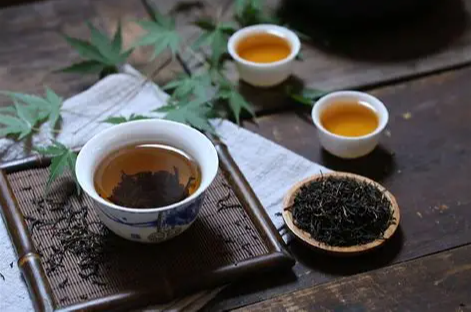
- Raw and cold foods
Such as iced drinks, sashimi, raw fish, and cold-natured fruits (e.g., watermelon, pear). Raw and cold foods can damage the yang energy of the spleen and stomach, and the absorption of ginseng depends on the function of the spleen and stomach. Damage to the spleen and stomach can reduce the efficiency of digestion and absorption of ginseng, and may also exacerbate gastrointestinal discomfort.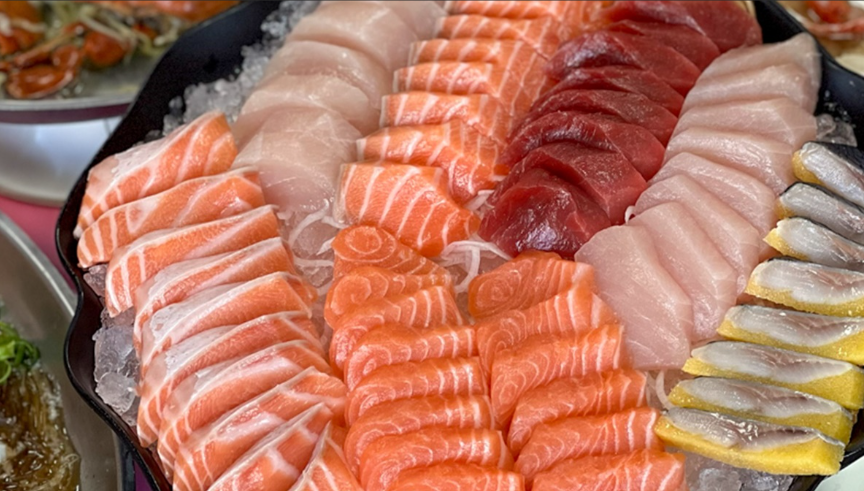
- Excessively greasy foods
Such as fatty meats, fried foods, and cream cakes. These foods are difficult to digest, can increase the burden on the spleen and stomach, and may impair the absorption and utilization of ginseng. In severe cases, impaired spleen and stomach function may lead to symptoms such as bloating and loss of appetite.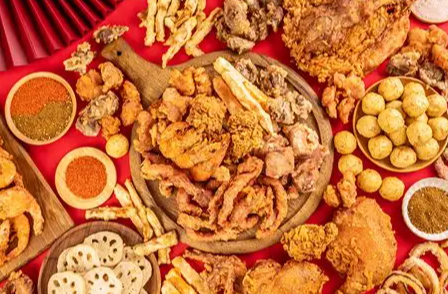
2. Foods that should be taken with caution
- Spicy and stimulating foods
Such as chili peppers, Sichuan peppercorns, garlic, and strong alcohol. Ginseng (especially red ginseng and Korean ginseng, which are warming and tonifying) has a warming nature, and spicy foods are also considered hot in nature. Consuming them together may exacerbate internal heat, leading to symptoms of “heatiness” (such as dry mouth and throat, sore throat, and nosebleeds).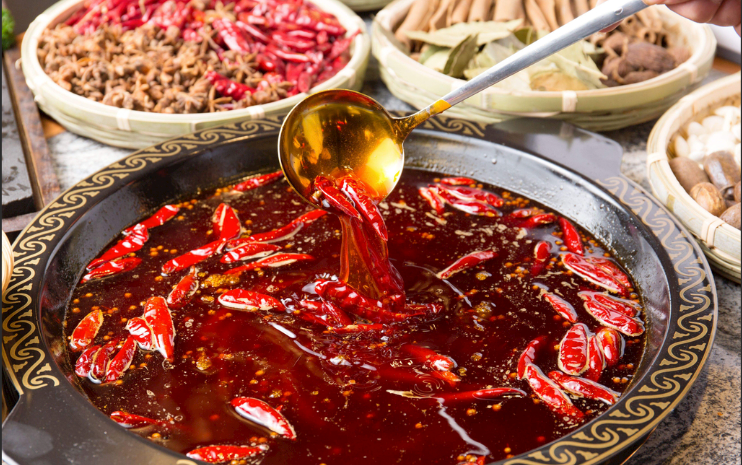
- Seafood (certain cold-natured seafood)
Such as crabs, clams, and other cold-natured seafood. Consuming these with warming ginseng may cause a clash of cold and heat, leading to gastrointestinal discomfort (such as abdominal pain, diarrhea). Additionally, seafood can trigger allergies. If discomfort occurs after consuming ginseng, it may be difficult to determine the cause. It is recommended to consume them separately.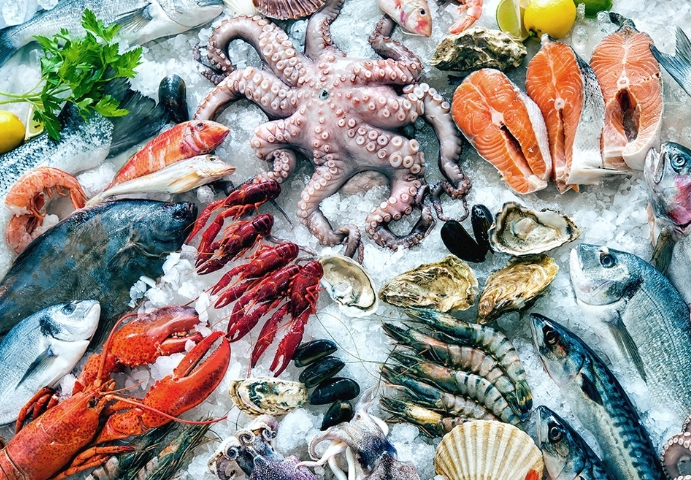
Summary
The core dietary restrictions for ginseng are to avoid affecting its “qi-tonifying” effects, reducing the burden on the spleen and stomach, and preventing conflicts between its cold and hot properties. During the period of use, one should primarily consume light, easily digestible foods. If unsure about the suitability of a particular food, consult a traditional Chinese medicine practitioner to adjust based on specific constitution and ginseng variety (e.g., American ginseng has a cool nature and relatively relaxed restrictions).