.jpg?w=360&h=360)
The Origin of the Name and Early Records
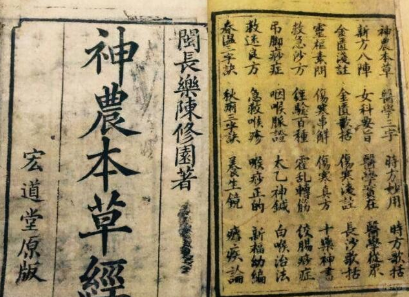
The name "ginseng" comes from the wonderful similarity between its root and the human form. As early as in Shennong's Classic of Materia Medica, there are records about ginseng, listing it as a "top-grade" medicinal material, saying that it can "nourish the five internal organs, calm the spirit, stabilize the soul, stop palpitations, eliminate pathogenic factors, improve eyesight, and enhance intelligence". This indicates that as early as the Qin and Han dynasties, people had already recognized the medicinal value of ginseng.
Exploration of Geographical Origin
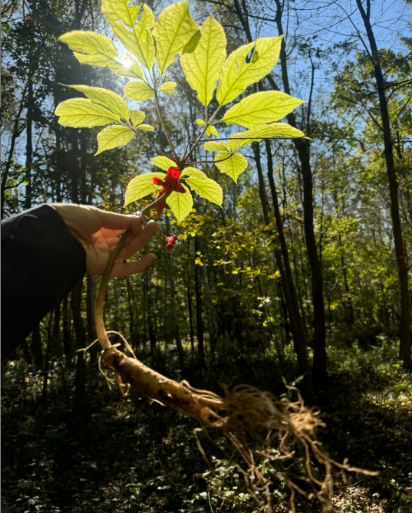
In terms of geographical distribution, the wild populations of ginseng initially mainly grew in the temperate mixed coniferous and broad-leaved forests in northeast China, the Korean Peninsula, and the Russian Far East. The climate in these areas is humid, and the soil is rich in humus, providing an ideal environment for the growth of ginseng. Archaeological findings show that the ancestors in the Changbai Mountain area began to collect wild ginseng as early as the Neolithic Age.

Symbolic Significance in Culture
In folk legends, ginseng is endowed with spirituality. There is a story about "ginseng dolls" circulating in the forests of Northeast China, saying that ginseng can run like a child and can only be trapped with a red thread. This anthropomorphic imagination not only reflects people's awe of ginseng but also reflects the difficulty of obtaining it.
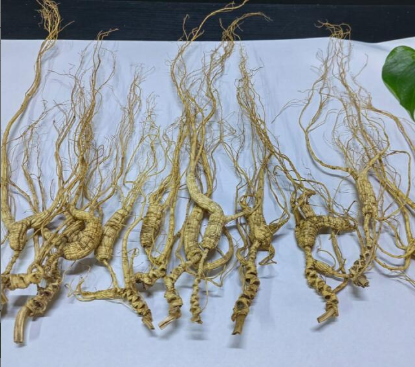
Today, with the development of artificial cultivation technology, ginseng has moved from deep mountains to fields. However, the ancient wisdom and natural gifts it carries are still worthy of our cherishing.