.jpg?w=360&h=360)
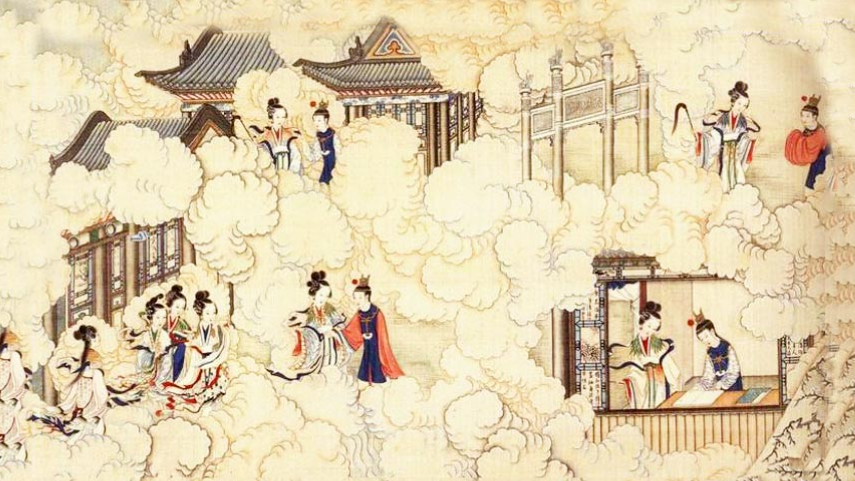
The Figure of Ginseng in Ancient Books
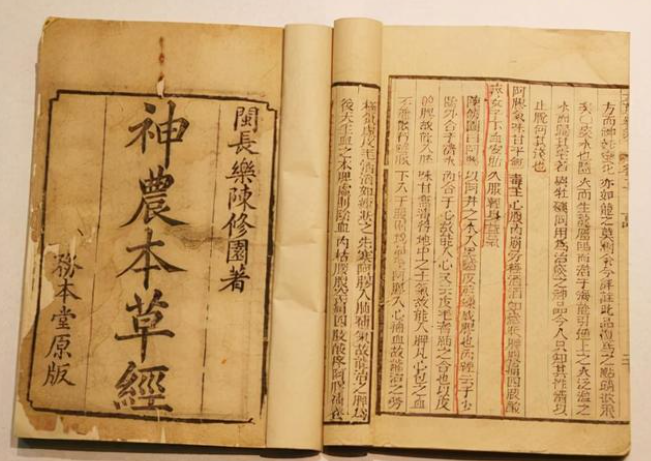
Opening Shennong's Classic of Materia Medica written in the Han Dynasty, the record that "ginseng is sweet and slightly cold, mainly tonifying the five internal organs, calming the spirit, and stabilizing the soul" is clearly visible. This is the earliest medicinal description of ginseng in existing documents, listing it as a top-grade medicinal material that "mainly nourishes life in response to heaven". Jia Sixie of the Northern Wei Dynasty recorded in detail the harvesting season of ginseng in Qimin Yaoshu: "Dig the roots in March and April, and dry them in the sun", showing that a systematic utilization standard had been formed at that time.
Li Shizhen of the Ming Dynasty even used nearly a thousand words to textual research on ginseng in Compendium of Materia Medica: "Ginseng, which grows gradually over the years, has roots like human form, so it is called ginseng", and included more than 20 prescriptions such as "ginseng decoction" and "ginseng wine". These words spanning thousands of years have built the medicinal spectrum of ginseng.
Health-Preserving Wisdom in the Long River of History
In the records of Records of the Three Kingdoms, Liaodong County once presented ginseng as a tribute to the imperial court, which is the earliest evidence of ginseng entering the imperial health-preserving system. The record that Emperor Taizong of the Tang Dynasty used ginseng to regulate soldiers' physical strength during his expedition to Goguryeo further confirms its practical value of "replenishing qi and preventing collapse".
In the Qing Dynasty novel Dream of the Red Chamber, the detail that Grandmother Jia took "Ginseng Yangrong Pills" when she had a cough shows the popularity of ginseng in noble life. From emperors and generals to literati and scholars, ginseng has always been the "finale product" in health-preserving prescriptions.
Vitality from Legend to Reality
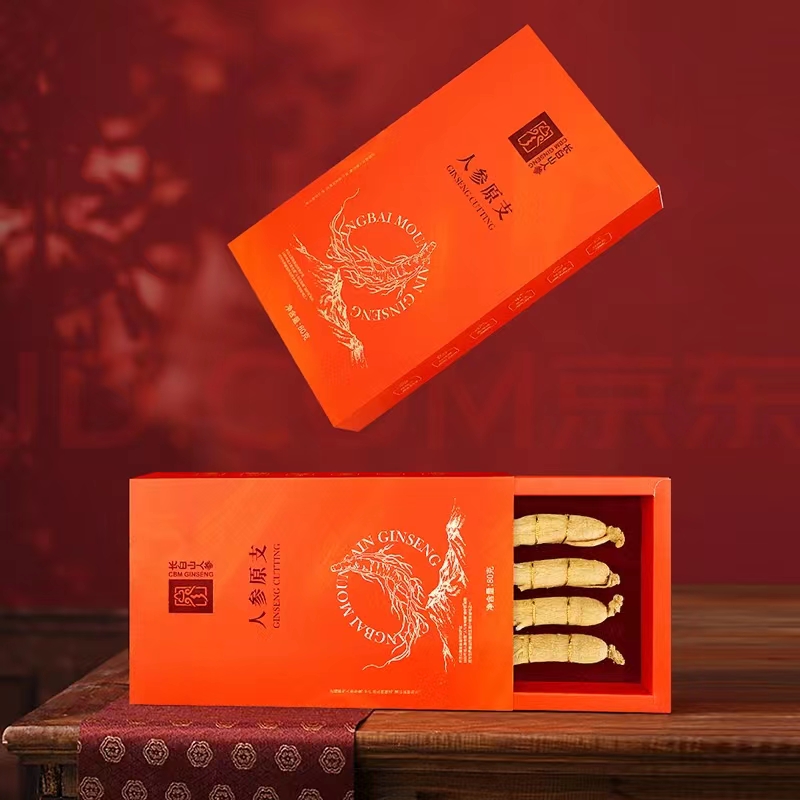
The folk legend that "millennium ginseng can run" actually contains the ancients' reverence for wild ginseng — when the ginseng leaves wither, a red string must be tied to mark its position so that it can be found the next year. This romantic practice is just a simple understanding of the growth law of ginseng.
Nowadays, through the under-forest wild-simulating planting technology, we can not only continue the natural medicinal properties of ginseng but also protect wild resources. Modern pharmacological studies have confirmed that the saponin components in ginseng do have the effects of regulating immunity and anti-fatigue, which provides scientific support for the theory of "replenishing qi" in ancient books.
From the mottled handwriting on bamboo slips to the white coats in laboratories, the health-preserving legend of ginseng has never been interrupted. It is not only a medicinal material but also a bridge connecting ancient and modern health wisdom, continuously radiating vitality in the flow of time.