.jpg?w=360&h=360)
🌱 1. Don’t Confuse Real Ginseng with Processed Products
-
Real ginseng: Whole ginseng roots that have been minimally processed (like dried or steamed). They contain natural compounds such as ginsenosides, polysaccharides, and amino acids that deliver the actual health benefits.
-
Processed ginseng products: Think ginseng drinks, candies, or “energy shots.” Most of these contain only trace amounts of ginseng extract—or sometimes just flavoring.
-
Consumer trap: Ever grabbed a “ginseng energy drink” at a convenience store before a workout? Chances are, you got more sugar and caffeine than ginseng. Real ginseng needs proper preparation, like simmering in tea or soup, to work.
🏔️ 2. Which Type Is Best? Why Changbai Mountain Ginseng Stands Out
-
Korean ginseng: Warming in nature, often used to boost immunity and fight fatigue.
-
American ginseng (Panax quinquefolius): Cooling in nature, good for reducing heat and replenishing fluids—popular among people who tend to “run hot.”
-
Changbai Mountain ginseng (from Northeast China): Grows in cold, nutrient-rich soil with long growth cycles, resulting in higher ginsenoside content.
-
Key advantage: Changbai Mountain ginseng is especially effective for replenishing energy, fighting fatigue, and strengthening the immune system.
-
Real-life scenario: If you’ve ever wondered why some herbal shops charge way more for “Changbai Mountain ginseng,” it’s because of its reputation for potency. It’s like the difference between regular coffee beans and premium single-origin beans—same category, but quality varies.
🍲 3. Mixing Ginseng with Other Supplements: Do It Right
-
Common pairings: Ginseng is often combined with goji berries, dates, astragalus, or even deer antler in traditional formulas.
-
Watch out for mismatches:
-
American ginseng is cooling—pairing it with other cooling foods (like mung beans or bitter melon) may upset your stomach.
-
Warming ginseng combined with very “hot” foods (like lamb or chili peppers) can cause overheating.
-
-
Smart approach: Match combinations to your body type. For example, people with low energy (“qi deficiency”) may benefit from ginseng + astragalus, while those prone to dryness and heat may do better with American ginseng + goji berries.
-
Everyday example: Think of it like mixing supplements at the gym. Just because protein powder and pre-workout are both “good” doesn’t mean they should always be taken together. Ginseng works the same way—pair wisely.
⚠️ 4. More Isn’t Better: Busting the “Eat a Lot, Get Results Fast” Myth
-
The misconception: Many believe the more ginseng you take, the faster you’ll feel the benefits. In reality, overdoing it can cause insomnia, palpitations, high blood pressure, or even nosebleeds.
-
The truth: Ginseng works best in small, steady amounts over time. It’s not a quick fix—it’s more like a long-term investment in your health.
-
Example: Imagine chugging three energy drinks in one sitting—you’d probably feel jittery, not energized. Taking too much ginseng can have a similar effect. The right way is consistent, moderate use tailored to your needs.
🌿 5. Dry Ginseng vs. Fresh Ginseng: Which Should You Choose?
-
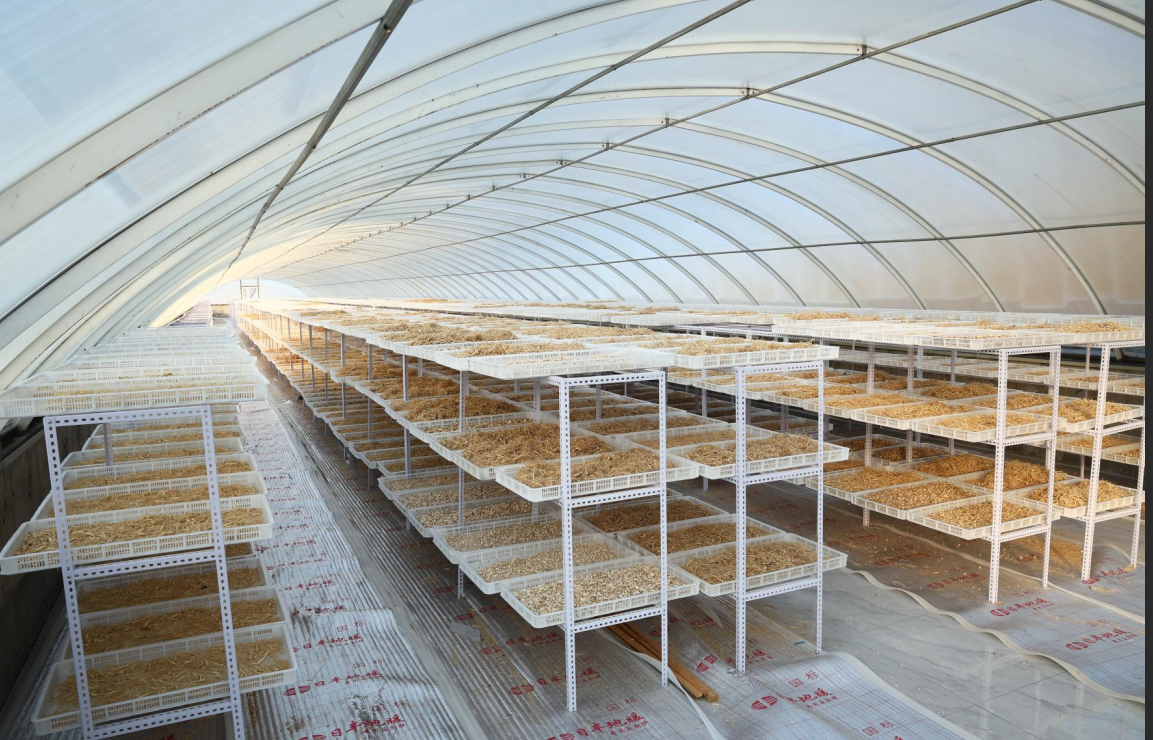
Dry ginseng: Steamed or sun-dried, it keeps for a long time and has stable potency. Common forms include white ginseng and red ginseng. Great for everyday use and easy storage.
-
Fresh ginseng: High in water content, more potent in the short term, but spoils quickly. Often used in soups or sliced into tea.
-
Practical tip: For regular wellness routines, dry ginseng is more convenient. Fresh ginseng is better for short-term boosts but needs to be consumed quickly.
-
Everyday scenario: Buying fresh ginseng is a bit like buying fresh herbs at the farmers’ market—you need to use them right away. Dry ginseng is more like pantry staples that you can keep around for months.
🛒 Bonus: A Quick Buyer’s Guide for U.S. Shoppers
When you’re browsing ginseng products in American stores or online marketplaces, here are some practical tips to keep in mind:
-
Check the ingredient list carefully
-
Real ginseng products should list Panax ginseng or Panax quinquefolius (American ginseng) as the main ingredient.
-
If “ginseng flavor” or “extract” is buried at the bottom of the list, it’s probably not potent.
-
-
Look for standardized ginsenoside content
-
Quality supplements often state the percentage of ginsenosides (the active compounds).
-
If there’s no mention of ginsenosides, the product may be weak or misleading.
-
-
Be cautious of “energy drinks” and candy
-
These often rely on caffeine or sugar for the “boost,” not ginseng.
-
They may contain only trace amounts of ginseng, if any.
-
-
Buy from reputable sources
-
Trusted herbal shops, established supplement brands, or licensed Traditional Chinese Medicine (TCM) stores are safer bets.
-
Online marketplaces can be hit-or-miss—check reviews and seller ratings before buying.
-
-
Know the form you’re buying
-
Whole roots (fresh or dried) are usually more reliable than powders or drinks.
-
Capsules and extracts can be effective, but only if they’re from a trusted brand with clear labeling.
-
✨ Final takeaway: Ginseng, though a potent tonic, is neither a miracle cure nor a quick-fix energy booster. Its true value lies in scientific application, sensible pairing, and consistent use. Whether shopping at your local health food store or browsing Amazon, remember that not all “ginseng” products are created equal. Don't be misled by common misconceptions.