.jpg?w=360&h=360)

I. Northeast China (Changbai Mountain and surrounding areas): Core producing areas of authentic medicinal materials
The Changbai Mountain and surrounding areas in Northeast China, such as Fusong, Jingyu, Ji'an in Jilin, Huanren in Liaoning, and Dongning in Heilongjiang, can be called the "golden producing areas" of ginseng in the world. Located at 40°-45° north latitude, this area has cold winters, humid summers, and fertile humus soil, providing an excellent growing environment for ginseng and facilitating the accumulation of rich active ingredients in ginseng.

Quality characteristics
- Wild ginseng / forest-cultivated ginseng: This type of ginseng has an extremely long growth period, usually more than 15 years, and most of them grow wild or in a wild-simulated way. Their main roots are short and thick, the rhizomes are long, the fibrous roots are numerous and have pearl-like spots. The total content of ginsenosides is quite high, especially the content of core saponins such as Rg1 and Rb1, as well as rare saponins such as Rg3 and Rh2, which are very rich, making them the best quality category among ginseng.
- Garden ginseng: Artificially cultivated garden ginseng generally has a growth cycle of 5-6 years. Although the content of active ingredients is lower than that of wild ginseng, it is higher than that of ordinary garden ginseng from other producing areas. Among them, Ji'an Bian Tiao ginseng is known as "the boutique among garden ginseng" due to its slender shape and balanced saponin content.
Efficacy focus
- Wild ginseng: It has a very powerful qi-tonifying effect, can greatly tonify primordial qi, restore pulse and stop collapse, and is very suitable for people who are weak after serious illness and have primordial qi collapse, such as in cases of shock and extreme fatigue. Wild ginseng is a treasure for "emergency qi tonifying".
- Garden ginseng: Its medicinal property is relatively mild, with the effects of tonifying qi and promoting fluid production, strengthening the spleen and benefiting the lung. It is suitable for daily nourishment and is more applicable to people with qi deficiency and fatigue, poor appetite, and low immunity, with a wider range of application.
II. South Korea: Korean ginseng - a representative of processing empowerment
Korean ginseng in South Korea is mainly produced in Gangwon-do, Chungcheongbuk-do and other regions. It has a temperate monsoon climate, acidic soil, and the growth cycle of ginseng is about 6 years, with unique processing techniques, mostly "steamed red ginseng".
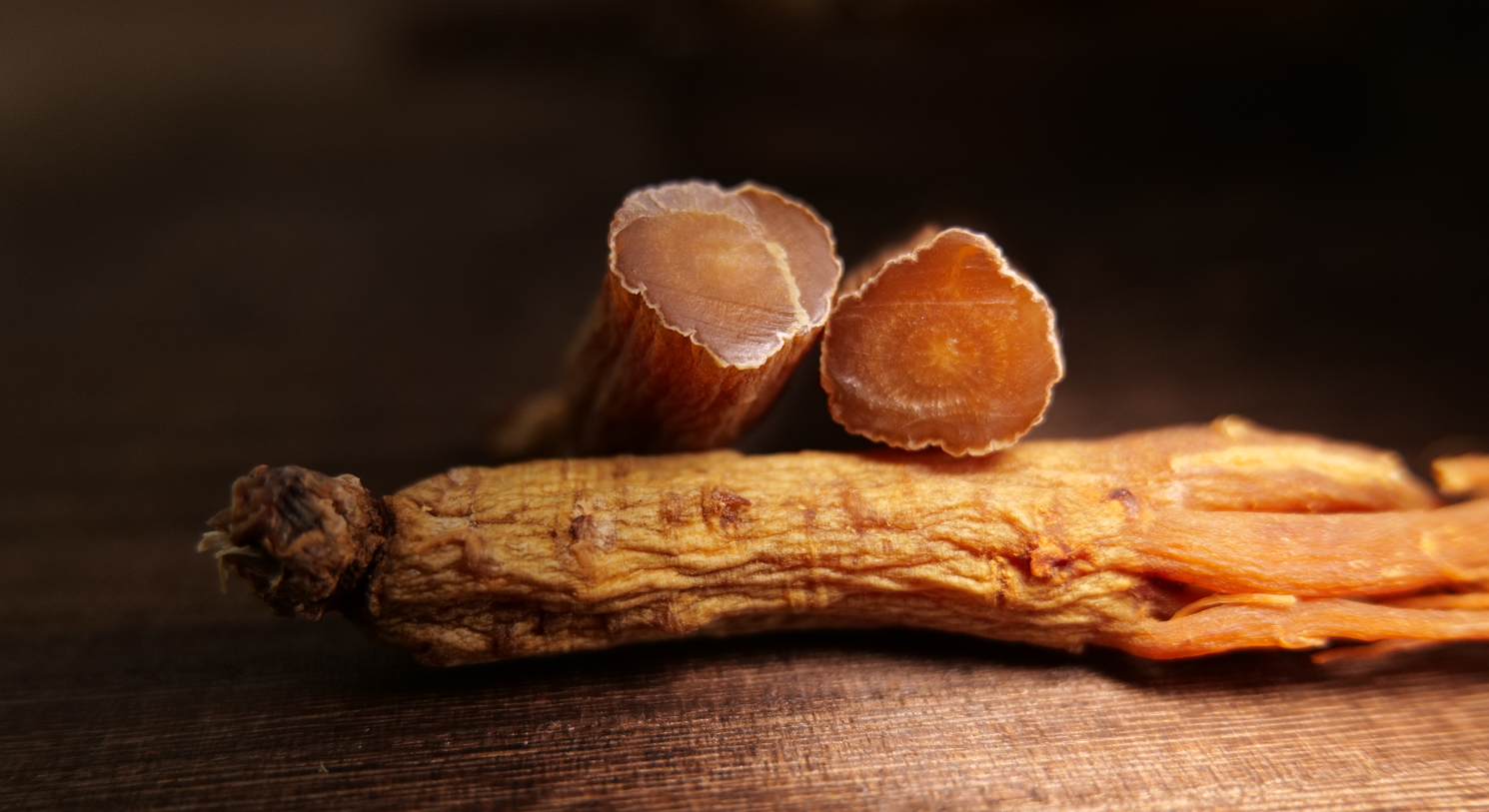
Quality characteristics
Most Korean ginseng is "red ginseng", that is, fresh ginseng is steamed and dried. During processing, some saponins such as Rb1 and Rg1 will be converted into secondary saponins that are more easily absorbed by the human body, such as Rh2, Rg3, Compound K, etc. These secondary saponins have more significant effects in anti-oxidation, anti-inflammation and improving immunity. Korean ginseng has a reddish-brown appearance, hard texture, horny cross-section, and a strong aroma. Its total saponin content is equivalent to that of Changbai Mountain garden ginseng, but the proportion of rare saponins is higher.
Efficacy focus
Korean ginseng is warm and slightly hot, with prominent effects of tonifying qi and activating blood circulation, especially suitable for people who are afraid of cold and have deficiency of both qi and blood, such as those with cold hands and feet and irregular menstruation. Moreover, due to the more stable medicinal property after processing, Korean ginseng is suitable for long-term use and is not easy to cause internal heat.
III. Northern Korean Peninsula (Pyonganbuk-do, Yanggang-do): Similar to Changbai Mountain in origin and quality
The northern part of the Korean Peninsula is close to China's Changbai Mountain, with a climate and soil highly similar to the core area of Changbai Mountain. It is rich in wild ginseng resources and historically belongs to the category of "Liaodong ginseng" together with Changbai Mountain wild ginseng. However, due to geographical isolation and differences in cultivation management, a unique strain has been formed.
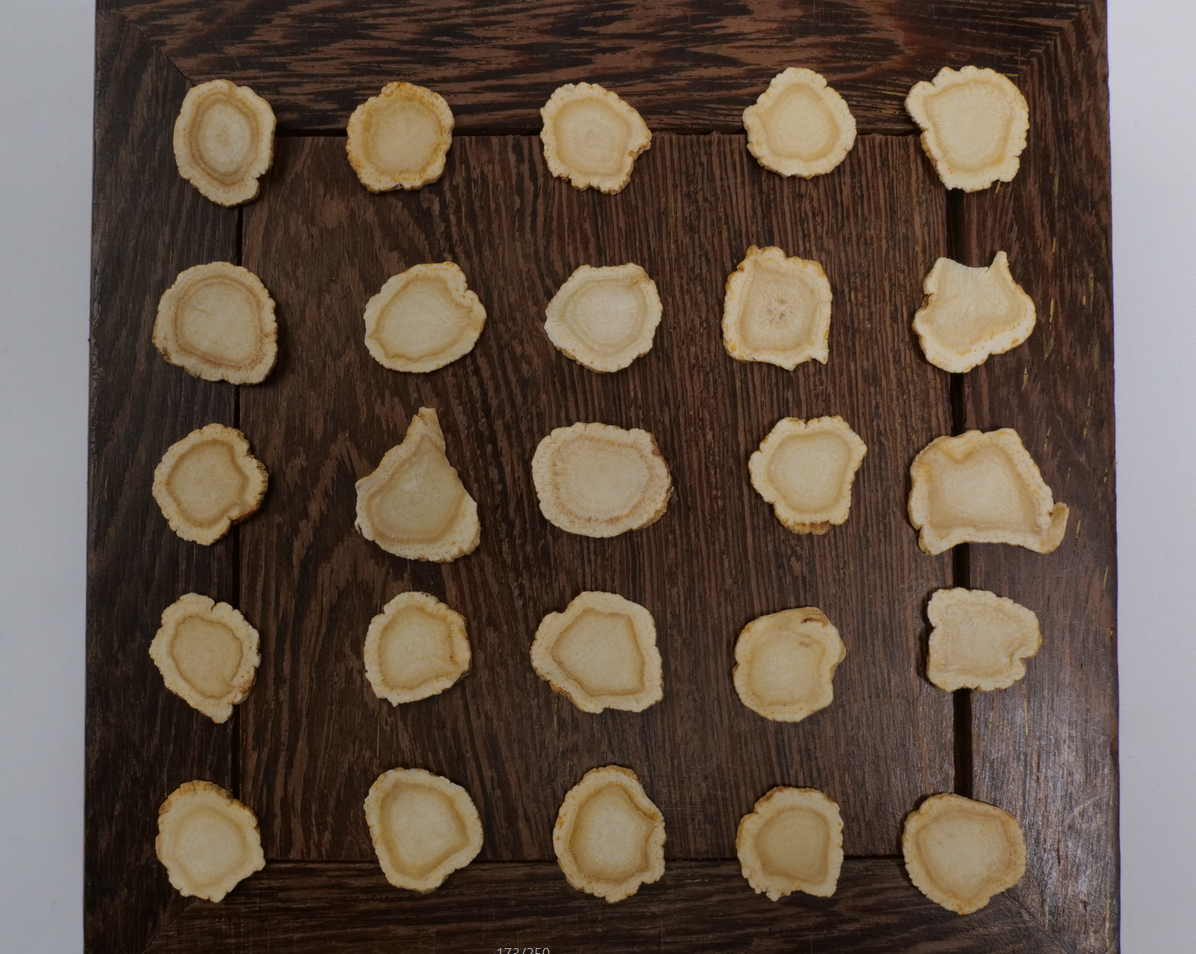
Quality characteristics
The wild ginseng in this area is similar in shape to Changbai Mountain wild ginseng, with developed fibrous roots and long rhizomes. Its saponin composition is mainly Rg1 and Rb2, and the total amount is slightly lower than that of Changbai Mountain wild ginseng but higher than that of ordinary garden ginseng. Cultivated ginseng, namely "North Korean ginseng", is mostly dried into white ginseng, retaining more primary saponins.
Efficacy focus
Its qi-tonifying power is between Changbai Mountain wild ginseng and garden ginseng, with both qi-tonifying and blood-activating effects. It is suitable for people with insufficient qi and blood accompanied by mild blood stasis, such as those with dark complexion and numb limbs. Its medicinal property is mild and not easy to cause internal heat.
IV. Japan: Minority characteristic bamboo joint ginseng and garden ginseng
Ginseng in Japan is mainly produced in Nagano Prefecture, Yamagata Prefecture and other regions, mostly with a temperate mountain climate and sandy soil. Japan has a short history of ginseng cultivation, mainly focusing on garden ginseng and bamboo joint ginseng (variant).
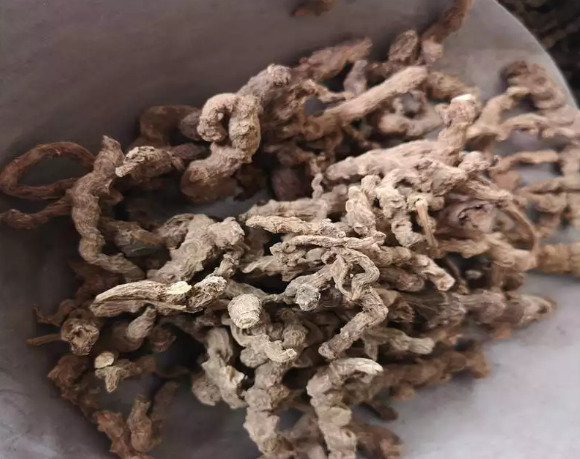
Quality characteristics
The growth cycle of Japanese garden ginseng is 4-5 years, with low total saponin content, especially low content of rare saponins, but high polysaccharide content. Bamboo joint ginseng, also known as "devil ginseng", gets its name from its obvious stem nodes. Its saponin is mainly bamboo joint ginsenoside Ⅳa, which is quite different from ordinary ginseng. In terms of processing, it is mostly used fresh or subjected to shallow processing, such as slicing and drying, retaining more water-soluble components such as polysaccharides.
Efficacy focus
Japanese garden ginseng has a mild qi-tonifying effect, more inclined to "strengthening the spleen and stomach, regulating metabolism", and is suitable for people with weak digestive function and easy fatigue. Bamboo joint ginseng is traditionally used for "dissipating blood stasis, relieving pain and reducing swelling". Modern studies have shown that its polysaccharide components have certain effects of lowering blood sugar and regulating immunity, and are more inclined to "regulation rather than strong tonification".
V. Russian Far East (Primorsky Krai): Cold region weak-effect type
The Russian Far East has a temperate continental climate, with extremely cold winters, and the temperature can drop below -30℃. The growth cycle of ginseng is short, only 3-4 years. The soil in this area has less humus, and ginseng is mostly in wild or semi-wild state, with scarce resources.
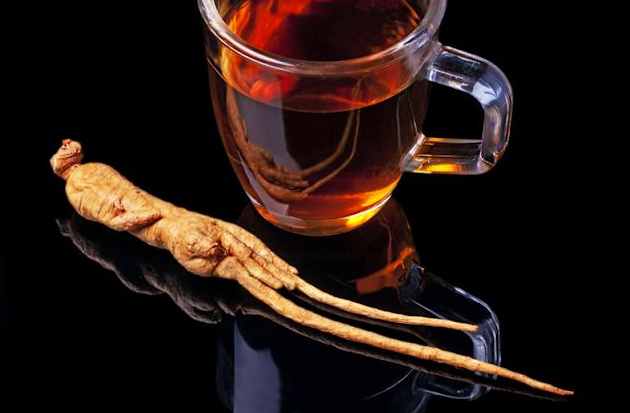
Quality characteristics
The total content of ginsenosides here is low, especially the content of core saponins Rg1 and Rb1 is small. Due to the harsh growing environment, the main roots of ginseng are thin and small, the fibrous roots are sparse, and the appearance and active ingredients are inferior to those of ginseng from Changbai Mountain and South Korea.
Efficacy focus
Its qi-tonifying effect is weak, more inclined to "anti-stress and anti-fatigue", similar to the mild conditioning effect of Acanthopanax senticosus, suitable for people with mild qi deficiency, such as those with decreased physical strength and listlessness, and not suitable for severe tonification.
Summary of core differences: Key factors affecting quality and efficacy
| Influencing factors | Impact on quality | Impact on efficacy |
|---|---|---|
| Growth environment | The humus soil and large temperature difference in Changbai Mountain and Korean ginseng producing areas are conducive to saponin accumulation | High content of active ingredients, strong qi-tonifying effect; low content of ingredients in cold region weak-effect ginseng, mild effect |
| Growth years | The longer the years, such as wild ginseng over 15 years, the higher the total saponin content | Ginseng with longer growth years has more significant effect of "greatly tonifying primordial qi" |
| Processing technology | Korean ginseng has increased secondary saponins after steaming, while garden ginseng retains primary saponins after drying | Red ginseng (Korean ginseng) is warm, suitable for people afraid of cold; white ginseng is cool, suitable for people with yin deficiency |
Purchasing suggestions
- For a strong qi-tonifying effect, priority should be given to Changbai Mountain wild ginseng (or forest-cultivated ginseng) and Korean ginseng (red ginseng).
- For daily mild nourishment, Changbai Mountain garden ginseng and Korean white ginseng can be chosen.
- People with yin deficiency constitution (afraid of heat, dry mouth) should avoid red ginseng and can choose Jilin American ginseng (though it belongs to a different variety, it is cool and tonifies qi).
- For cost-effectiveness, high-quality garden ginseng from Liaoning and Heilongjiang is suitable for long-term soup making and soaking in water.
In short, the difference in producing areas is essentially the difference in "active ingredients and medicinal properties" of ginseng. When choosing, we need to consider our own constitution (deficiency, excess, cold, heat) and needs, rather than blindly pursuing the "producing area label".